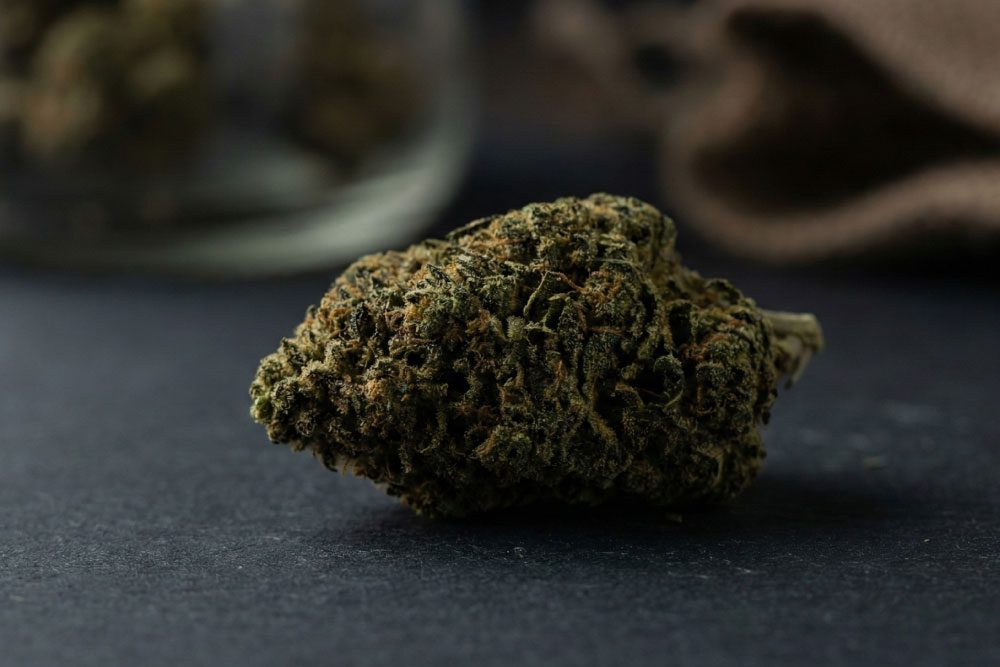
Cannabis Flower expresses its effects through precise chemical configurations known as chemotypes, which determine how cannabinoids and terpenes interact with the human nervous system. Among these profiles, sedative chemotypes are particularly associated with deep physical relaxation, reduced muscular tension, and nighttime use. Within dispensaries like Jersey Leaf, Afghan Kush continues to stand out as a cultivar whose chemical stability aligns closely with current scientific understanding of cannabis-induced sedation.
Sedative Chemotypes and Their Role in Cannabis Flower Effects
Modern cannabis research no longer relies solely on indica–sativa labels to explain effects. Instead, chemotypes—defined by cannabinoid ratios and terpene dominance—offer a more accurate framework. Sedative cannabis flower chemotypes are typically rich in THC and supported by terpenes that downregulate nervous system activity.
Research available through the National Institutes of Health explains how THC interacts with CB1 receptors in the central nervous system, while accompanying terpenes modulate the intensity, duration, and physical orientation of those effects. Flowers dominated by myrcene and β-caryophyllene tend to promote body-centered relaxation rather than cerebral stimulation.
Afghan Kush as a Genetic and Chemical Reference Point
Afghan Kush originates from landrace cannabis populations cultivated in the Hindu Kush region, where harsh environmental conditions favored resin-dense flowers and chemically consistent plants. These genetic traits have been preserved through decades of cultivation, making Afghan Kush one of the most stable sedative profiles available today.
Educational analyses published by Leafly frequently reference Afghan Kush when discussing classic terpene-driven relaxation, highlighting its reproducibility and predictable effect profile across different harvests and growers.
Terpene Architecture and Sedation Mechanisms
The sedative effects associated with Afghan Kush cannabis flower are driven primarily by terpene synergy rather than THC potency alone. Myrcene, often the dominant terpene in this cultivar, has been examined by Project CBD for its role in muscle relaxation and its potential influence on blood–brain barrier permeability, which may contribute to faster onset and deeper physical effects.
β-Caryophyllene further supports sedation by interacting directly with CB2 receptors, contributing to reduced inflammatory signaling and bodily tension without intensifying psychoactivity. Together, these terpenes help explain why Afghan Kush is consistently associated with deep physical calm.
Cannabis Flower as a Whole-Plant Delivery System
Compared to processed cannabis formats, whole cannabis flower preserves a broader spectrum of volatile terpenes that significantly shape effect outcomes. Inhalation of flower allows cannabinoids and terpenes to enter systemic circulation rapidly, providing precise control over timing and intensity.
This delivery format is particularly effective for sedative chemotypes, where terpene integrity plays a central role in producing consistent relaxation-oriented effects.
Afghan Kush 14g Shake Within Sedative Cannabis Flower Use
Within this chemical framework, the Afghan Kush 14 Gram Shake available at Jersey Leaf represents a practical expression of sedative cannabis flower. Shake derived from resin-heavy cultivars often retains meaningful trichome content, especially when sourced from indica-dominant genetics like Afghan Kush.

Because this cultivar’s effects are driven by terpene dominance rather than novelty cannabinoid ratios, its sedative chemotype remains intact even in shake form, making it suitable for consistent nighttime or relaxation-focused use.
Comparing Sedative Cannabis Flower Profiles
Understanding how Afghan Kush fits within sedative chemotypes becomes clearer when comparing terpene-driven profiles across similar cannabis flowers.
| Cannabis Flower Profile | Primary Terpenes | Effect Orientation | Typical Use |
| Afghan Kush | Myrcene, Caryophyllene | Deep physical relaxation | Nighttime, rest |
| Kush-derived hybrids | Myrcene, Humulene | Balanced body calm | Evening |
| Hybrid-dominant flowers | Limonene, Pinene | Mild relaxation with alertness | Late afternoon |
This comparison illustrates why Afghan Kush continues to function as a benchmark for sedation-focused cannabis flower.
Chemotypes, Muscle Relaxation, and Stress Modulation
Sedative chemotypes influence the body through both central nervous system modulation and peripheral muscle relaxation. THC-mediated CB1 activation reduces sensory overstimulation, while terpene interactions help regulate muscle tone and inflammatory pathways. NIH-supported research suggests that cannabis flower rich in myrcene and β-caryophyllene may support physical relaxation without producing excessive cognitive impairment.
Preserving Sedative Terpenes Through Proper Storage
To maintain the sedative integrity of cannabis flower, terpene preservation is essential. Exposure to light, heat, and oxygen accelerates terpene evaporation and cannabinoid oxidation, potentially altering the intended chemotype. Proper storage helps ensure that relaxation-oriented effects remain consistent over time.
Why Afghan Kush Continues to Define Sedative Cannabis Flower
Afghan Kush remains a benchmark because it delivers a chemically stable sedative profile grounded in landrace genetics and terpene-driven effects. Its continued relevance reflects a shift toward evidence-based cannabis selection, where chemistry—not marketing—defines consumer expectations.
Explore More Cannabis Products That Match Your Needs
Ready to elevate your cannabis experience? From premium flower and expertly rolled pre-rolls to vapes and edibles crafted for consistency and flavor, Jersey Leaf offers a curated selection for every preference.
Visit Jersey Leaf to explore new strains, formats, and high-quality cannabis products designed to fit your lifestyle—every session, every time.