
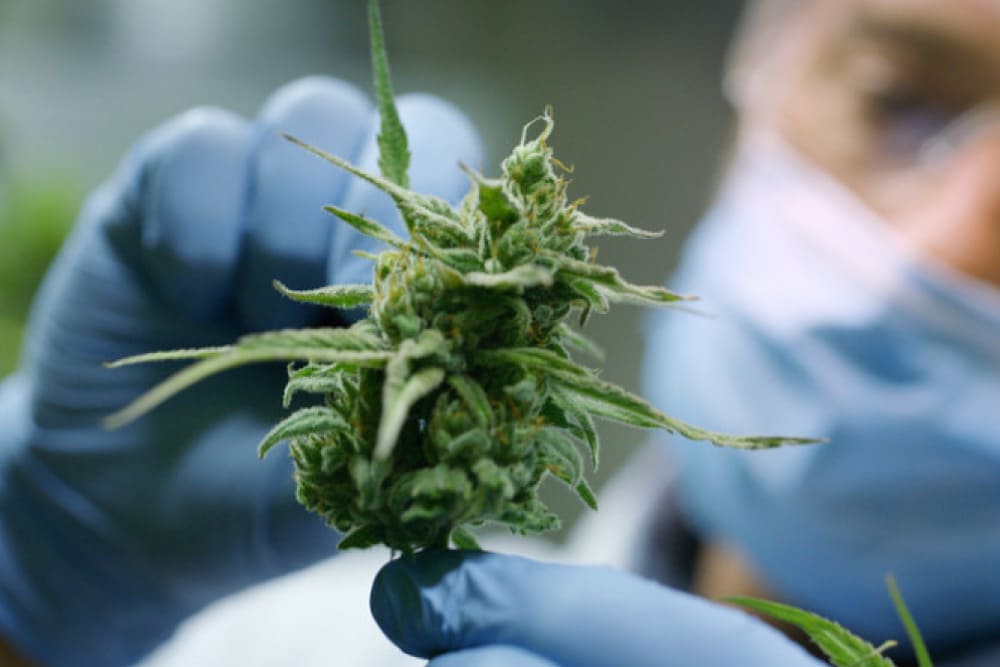
Pure CBD is gaining attention as a non-intoxicating option for pain relief. In the United States, chronic pain affects nearly one in five adults, and the opioid crisis has intensified the search for safer alternatives. CBD, the non-psychoactive compound found in cannabis, is being studied for its ability to reduce pain without causing dependence or intoxication. This blog reviews the current evidence, exploring clinical research, safety considerations, and the role of quality products in effective pain management.
How Pure CBD May Relieve Pain
CBD works by interacting with the body’s endocannabinoid system (ECS), which regulates pain perception, mood, and inflammation. Studies suggest CBD can influence ECS receptors to reduce pain signaling and promote anti-inflammatory effects.
Preclinical evidence is encouraging. For example, a 2016 animal study published in the European Journal of Pain showed that applying CBD gel to arthritic rats significantly reduced inflammation and pain without noticeable side effects. These findings provide a biological rationale for using CBD in pain relief, though more human studies are needed.
Consumers exploring CBD options should always prioritize lab-tested products. At Jersey Leaf, you’ll find carefully curated selections that emphasize purity, potency, and transparency, helping customers choose safe and effective options.
Clinical Evidence on Pure CBD for Pain Relief
Human studies remain limited, but growing. A 2018 review of available research concluded that CBD shows potential for pain management with a relatively safe side effect profile Frontiers in Pharmacology). Surveys in U.S. pain clinics reflect similar trends: 71% of patients reported CBD improved their pain, and many reduced their reliance on other medications.
However, results are not always consistent. According to Harvard Health Publishing, there is currently no large-scale, high-quality clinical evidence proving that pure CBD alone relieves pain. A recent 2024 review in Pain Management Nursing analyzed 16 randomized controlled trials and found that 15 of them showed no significant difference between CBD and placebo. While some participants reported benefits, the inconsistency highlights the need for more rigorous trials.
For patients exploring alternatives, balanced products combining CBD with other cannabinoids may provide enhanced effects. Still, starting with pure CBD remains an attractive choice for those who prefer a non-intoxicating option. To ensure quality and accuracy, shop from trusted providers like Jersey Leaf.
Pure CBD Safety and Regulatory Considerations
One reason Pure CBD is appealing is its generally favorable safety profile. Unlike opioids or THC, CBD does not produce a euphoric high and has not shown evidence of dependence. The World Health Organization reports that pure CBD presents no risk of abuse and is generally well tolerated.
That said, some users experience mild side effects such as fatigue, dry mouth, or gastrointestinal discomfort. Importantly, CBD may interact with certain medications by affecting liver enzymes, so medical guidance is recommended for those on prescriptions.
In the U.S., hemp-derived CBD is widely available thanks to the 2018 Farm Bill. However, because the FDA has not approved CBD for pain management, products are not regulated for consistency or purity. Investigations into retail CBD products have revealed discrepancies in labeling and, in some cases, contamination. Choosing lab-tested CBD from reputable vendors is therefore essential. For products vetted with quality in mind, visit Jersey Leaf to explore trusted options.
Practical Guidance for Consumers
Integrating Pure CBD into Pain Management
Those considering CBD should start with low doses and monitor their body’s response. Experts recommend beginning with oils or tinctures for precise dosing. Edibles may provide long-lasting relief, but onset times vary.
Choosing the Right Product
CBD comes in oils, topicals, gummies, and capsules. Each form has unique benefits—oils allow fast absorption, while topicals can target localized pain. At Jersey Leaf, the product range supports both new and experienced users seeking tailored pain relief options.
Conclusion
Pure CBD shows promise as a tool for managing chronic pain, thanks to its interaction with the endocannabinoid system and encouraging preclinical data. Human research, however, is mixed, and more high-quality trials are needed to determine its true effectiveness.
The main advantages of CBD are its favorable safety profile and non-intoxicating nature, which distinguish it from opioids and THC. For now, cautious optimism is warranted: CBD may not replace conventional pain treatments, but it could complement them for some individuals.
Those considering CBD should consult healthcare professionals, begin with low doses, and prioritize lab-tested products. By choosing trusted sources like Jersey Leaf, consumers can explore whether CBD provides relief while minimizing risks.


